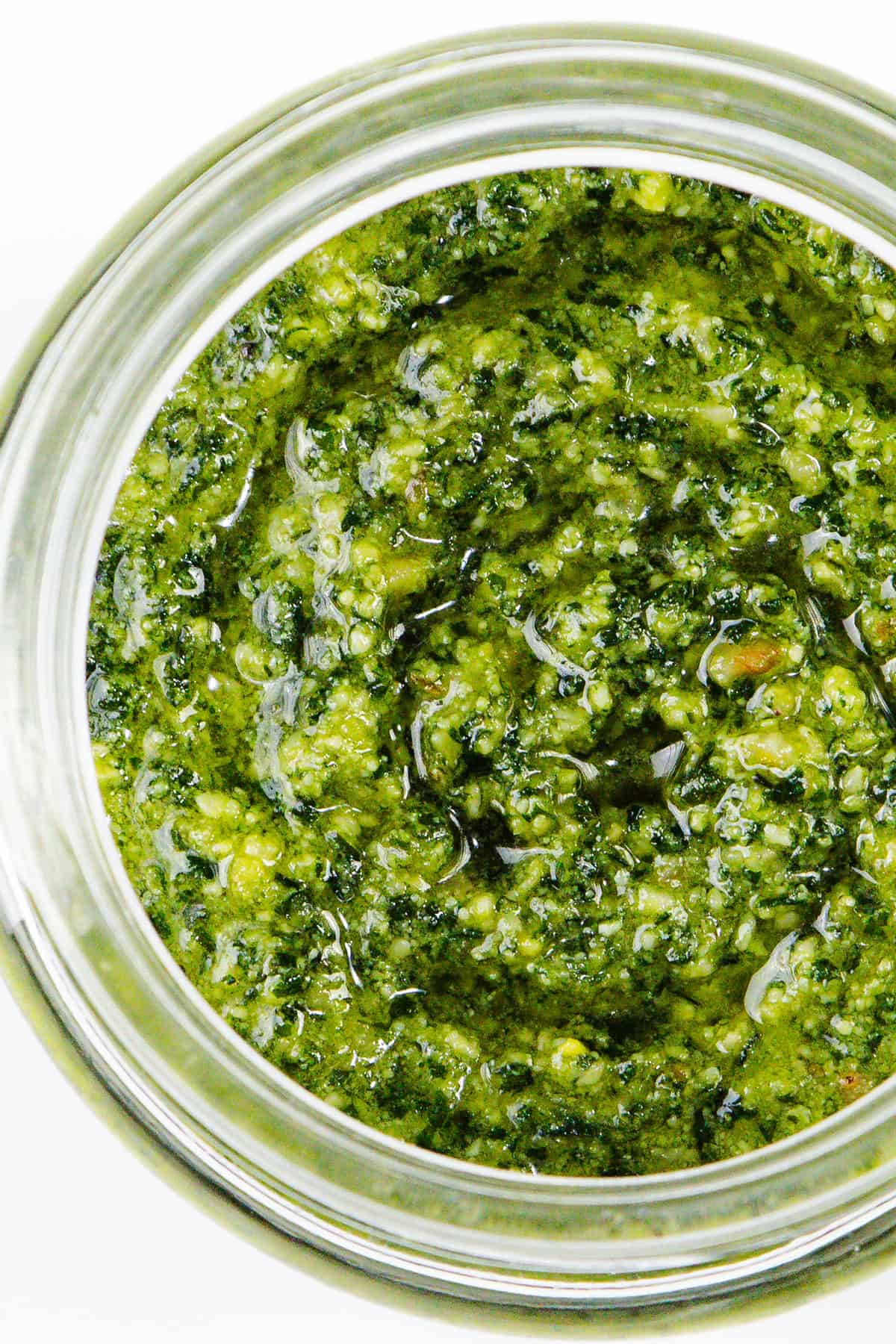
Food Processor Pesto: Batch Tips for Vibrant Green & Freezing
The intoxicating aroma of fresh basil immediately transports many of us back to cherished kitchen memories. Perhaps it’s a grandmother’s patient hand grinding ingredients with a mortar and pestle, or the anticipation of a summer meal. That classic, vibrant green sauce, pesto, embodies culinary magic. While tradition holds a special place, modern kitchens offer a fantastic shortcut to achieving that same depth of flavor with remarkable speed: the food processor. Learning to make quick easy batch pesto means you can capture that homemade essence any time, preserving both flavor and precious time.
This comprehensive guide will walk you through mastering food processor pesto, ensuring every batch is brilliantly green, bursting with authentic flavor, and ready for convenient freezing. Say goodbye to store-bought varieties and hello to homemade goodness that elevates everything from weeknight pasta to gourmet sandwiches.
The Timeless Appeal of Pesto, Reimagined for Today's Kitchen
Pesto Genovese, originating from Genoa, Italy, is a testament to the power of simple, high-quality ingredients. Traditionally, it’s crafted using a mortar and pestle (pestare means "to crush" in Italian), a method that gently bruises the basil, releasing its essential oils and creating a unique emulsified texture. This slow, deliberate process is undoubtedly beautiful, but in our fast-paced world, it’s not always practical for a large yield.
Enter the food processor. This kitchen workhorse allows us to achieve a beautifully textured pesto in mere minutes, making a `quick easy batch pesto` a reality for even the busiest home cooks. The goal isn't to replace tradition entirely, but to adapt it, offering a convenient way to bring authentic, homemade flavor to your table more often. Inspired by culinary masters like Samin Nosrat, many have embraced the food processor method, proving that modern speed doesn't have to compromise classic taste. This versatile, fragrant sauce instantly transforms simple dishes into something special, making it an invaluable addition to your culinary repertoire.
Crafting Your Vibrant Green Pesto: Key Ingredients & Smart Substitutions
The beauty of pesto lies in its relatively short ingredient list, making the quality of each component paramount. Here's a deeper dive into what you need and how to optimize your choices for the best `quick easy batch pesto`:
- Fresh Basil Leaves: This is the star. You'll need a generous amount – often several cups packed tightly. Opt for vibrant, unblemished leaves. Their fresh, slightly peppery aroma and bright green hue are crucial for both flavor and color. Avoid any bruised or browning leaves, as they can lead to an off-putting taste and appearance.
- Garlic: A single fresh clove provides a subtle kick, which is my preference for a balanced pesto. However, if you're a garlic enthusiast, feel free to double it. For a milder garlic flavor, you can lightly blanch the garlic clove in boiling water for 30 seconds before adding it, or even roast it slightly for a sweeter, more mellow note.
- Pine Nuts: These soft, buttery nuts contribute a distinctive creaminess and subtle sweetness. For enhanced depth, lightly toast raw pine nuts in a dry pan over medium heat until fragrant and just golden. This simple step unlocks incredible flavor. If pine nuts are expensive or unavailable, excellent alternatives include walnuts (which offer a slightly more rustic, earthy profile), almonds, or even cashews for a creamier texture.
- Finely Grated Parmesan Cheese: Parmigiano Reggiano is the gold standard, offering a complex, nutty, and salty umami. Pecorino Romano, made from sheep's milk, can be used alone or mixed with Parmesan for a sharper, tangier edge. For a delicious vegan alternative, replace the cheese with a blend of nutritional yeast (for umami and cheesy flavor) and a squeeze of fresh lemon juice (for acidity and brightness).
- Extra Virgin Olive Oil: The quality of your olive oil significantly impacts the final taste. Use a good-quality, fruity extra virgin olive oil for its rich flavor and emulsifying properties. You’ll need enough for the initial blend and a little extra to adjust consistency and for storage. The oil also plays a crucial role in coating the basil, helping to prevent oxidation and keep your pesto beautifully green.
- Salt: Coarse sea salt is excellent for initially breaking down the garlic and nuts in the food processor. For final seasoning, kosher salt or fine sea salt is preferred for even distribution and control. Remember that Parmesan cheese is salty, so season gradually and taste as you go.
The Food Processor Advantage: Achieving That Perfect Pesto Texture and Color
While a food processor offers speed, it also requires a nuanced approach to achieve pesto that rivals the traditional method. The key is to avoid over-processing, especially the basil, which can quickly turn bitter and brown. Here's how to master your machine for a quick easy batch pesto that's both vibrant and delicious:
- Start with the Harder Ingredients: Begin by adding the pine nuts (toasted or raw) and garlic to the food processor. Pulse several times until they are finely chopped but not yet a paste. This creates a textured base and helps release their flavors. Add the coarse sea salt at this stage to aid in the breakdown process.
- Introduce the Basil Strategically: This is where the magic happens for maintaining a bright green color. Instead of just dumping all the basil in, try this:
- Pre-Slice Your Basil: Roughly chop or slice the basil leaves before adding them to the food processor. This reduces the work the blades have to do, minimizing the time the basil spends being exposed to air and friction.
- Add in Batches with Oil: Add about half of your basil to the food processor, along with a significant portion (about half to two-thirds) of your extra virgin olive oil. The oil coats the basil leaves, creating a protective barrier against oxidation, which is the primary culprit behind browning pesto. Pulse gently until the basil is coarsely chopped and coated.
- Incorporate Remaining Ingredients: Add the rest of the basil and the grated Parmesan cheese. Continue to pulse, scraping down the sides of the bowl as needed, until the mixture is well combined and reaches your desired consistency.
- The Art of Pulsing: Resist the urge to let the food processor run continuously. Short, sharp pulses are your best friend. Continuous blending generates heat, which can "cook" the basil, turning it dark and giving it an oxidized, sometimes metallic, taste. Pulsing allows for better control over the texture, ensuring a chunky yet cohesive sauce.
- Adjusting Consistency and Final Touches: Once the pesto is mostly combined, drizzle in the remaining olive oil slowly while pulsing, until you achieve the desired smooth yet slightly textured consistency. Some prefer a chunkier pesto, others a smoother one. Taste and adjust seasoning with fine sea salt if necessary. Remember, the cheese adds considerable saltiness.
By following these steps, you'll produce a `quick easy batch pesto` that boasts a brilliant green hue and a rich, authentic flavor profile, ready for immediate enjoyment or future use.
Batching and Freezing Pesto: Lock in Freshness for Months
One of the greatest advantages of making a large batch of pesto with your food processor is its freezer-friendly nature. Freezing allows you to preserve that peak summer basil flavor, ensuring you have a taste of sunshine even in the depths of winter. Here’s how to effectively batch and freeze your homemade pesto:
- Prevent Browning During Storage: Oxygen is pesto's enemy when it comes to maintaining that vibrant green color. When storing in the refrigerator or freezer, always ensure the pesto is topped with a thin layer of extra virgin olive oil. This creates an airtight seal, preventing oxidation.
- Freezing in Ice Cube Trays: This is arguably the most convenient method for individual portions. Spoon your freshly made pesto into standard ice cube trays. Freeze until solid (a few hours). Once frozen, pop the pesto cubes out and transfer them to a freezer-safe zip-top bag or airtight container. This allows you to grab just one or two portions as needed, perfect for single servings of pasta, dolloping onto roasted vegetables, or stirring into soups.
- Freezing in Small Jars or Containers: For larger portions, use small, freezer-safe glass jars (leaving about an inch of headspace for expansion) or plastic containers. Once the pesto is in, smooth the top and pour a thin layer of olive oil over it before sealing and freezing.
- Vacuum Sealing: For the ultimate long-term storage and freshness, vacuum-sealing your pesto in bags or containers will remove almost all oxygen, drastically extending its shelf life while maintaining its color and flavor.
- Thawing and Refreshing:
- From Ice Cube Trays: Simply transfer the desired number of cubes to a small bowl and let them thaw in the refrigerator overnight, or at room temperature for a couple of hours. You can even add frozen cubes directly to a hot pan of pasta with a little pasta water – the heat will quickly melt and emulsify the pesto.
- From Jars/Containers: Thaw in the refrigerator overnight.
Properly frozen, your homemade basil pesto can last for 6-9 months, providing a `quick easy batch pesto` solution for countless meals.
Beyond Pasta: Versatile Uses for Your Homemade Pesto
While pesto and pasta are a classic pairing, the versatility of your homemade `quick easy batch pesto` extends far beyond. Its vibrant flavor can elevate a wide array of dishes, transforming everyday meals into something extraordinary:
- Sandwiches and Wraps: Spread a thin layer on bread, toast, or tortillas for an instant burst of flavor. It pairs wonderfully with turkey, chicken, fresh mozzarella, and tomato.
- Pizza and Flatbreads: Use it as a base sauce instead of tomato, or drizzle it over a finished pizza for a fresh, herbaceous kick.
- Roasted Vegetables: Toss roasted potatoes, asparagus, zucchini, or cherry tomatoes with pesto after they come out of the oven for a fragrant finish.
- Dips and Spreads: Stir pesto into hummus, Greek yogurt, or cream cheese for a flavorful dip for vegetables, crackers, or pita bread.
- Eggs: Swirl a spoonful into scrambled eggs, omelets, or frittatas.
- Bruschetta and Crostini: A classic appetizer – spread pesto on toasted bread, top with fresh tomatoes, mozzarella, or roasted red peppers.
- Marinades: Use it as a marinade for chicken, fish, or shrimp before grilling or baking.
- Salad Dressings: Whisk a spoonful into your vinaigrette for a herbaceous twist.
- Soups and Stews: Dollop a spoonful into minestrone or vegetable soup just before serving for added depth.
- Caprese Salad: Drizzle over fresh mozzarella, tomatoes, and basil leaves for an intensified classic.
With a freezer full of this emerald green goodness, you're always just moments away from adding gourmet flair to any dish.
Conclusion
Embracing the food processor for making `quick easy batch pesto` is a game-changer for any home cook. It’s a beautiful fusion of tradition and convenience, allowing you to capture the intoxicating essence of fresh basil and high-quality ingredients without the lengthy labor. By understanding the nuances of ingredient selection, mastering the food processor's pulse, and employing smart freezing techniques, you can ensure every batch is brilliantly green, bursting with authentic flavor, and ready to transform countless meals. So, gather your basil, fire up your food processor, and immerse yourself in the joy of homemade pesto – a little jar of vibrant green magic that truly keeps on giving.
